
I often see some questions out there about cheap, old vintage lenses. To be upfront, there are many reasons why lenses aren’t made like this anymore, but there’s also good reason why vintage lenses have enjoyed a resurgence in recent years, especially among Filmmakers. Hopefully this post will answer some of your concerns and towards the end, I’ll give you some of my own advice when looking for vintage glass.
And just as a discplaimer, all of the images here are straight from camera or exported with no editing from Darktable. You’ll see the plain results!
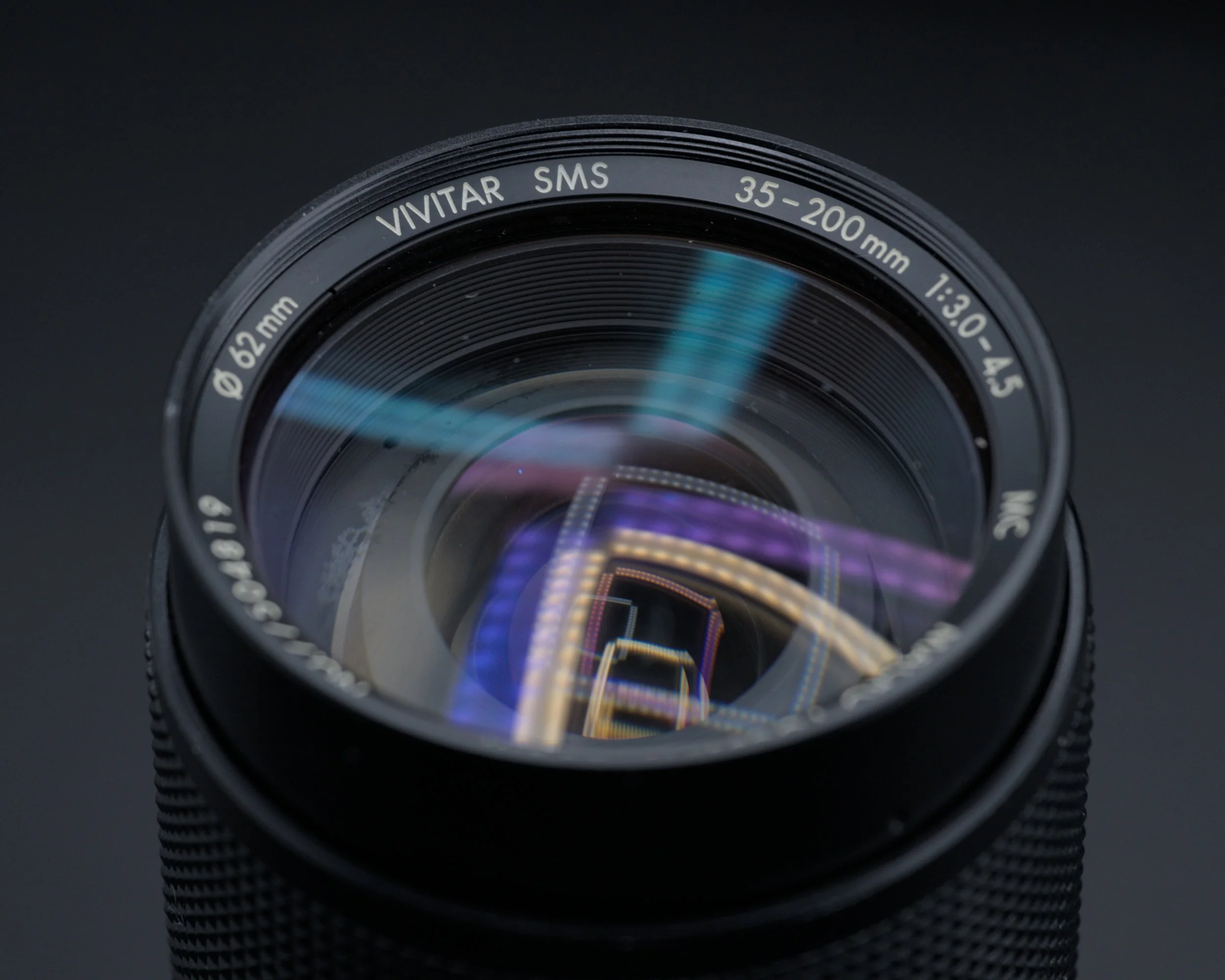
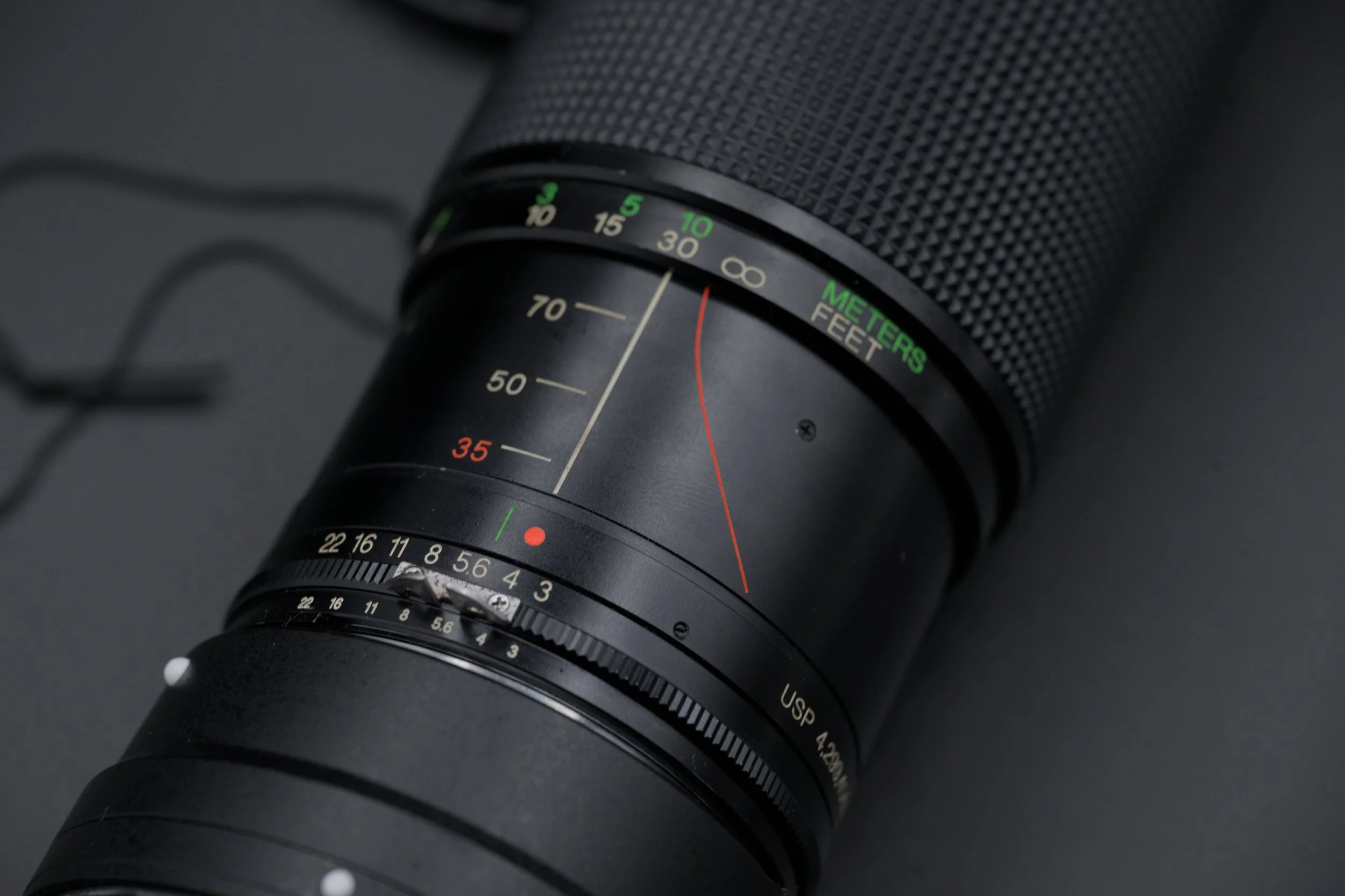
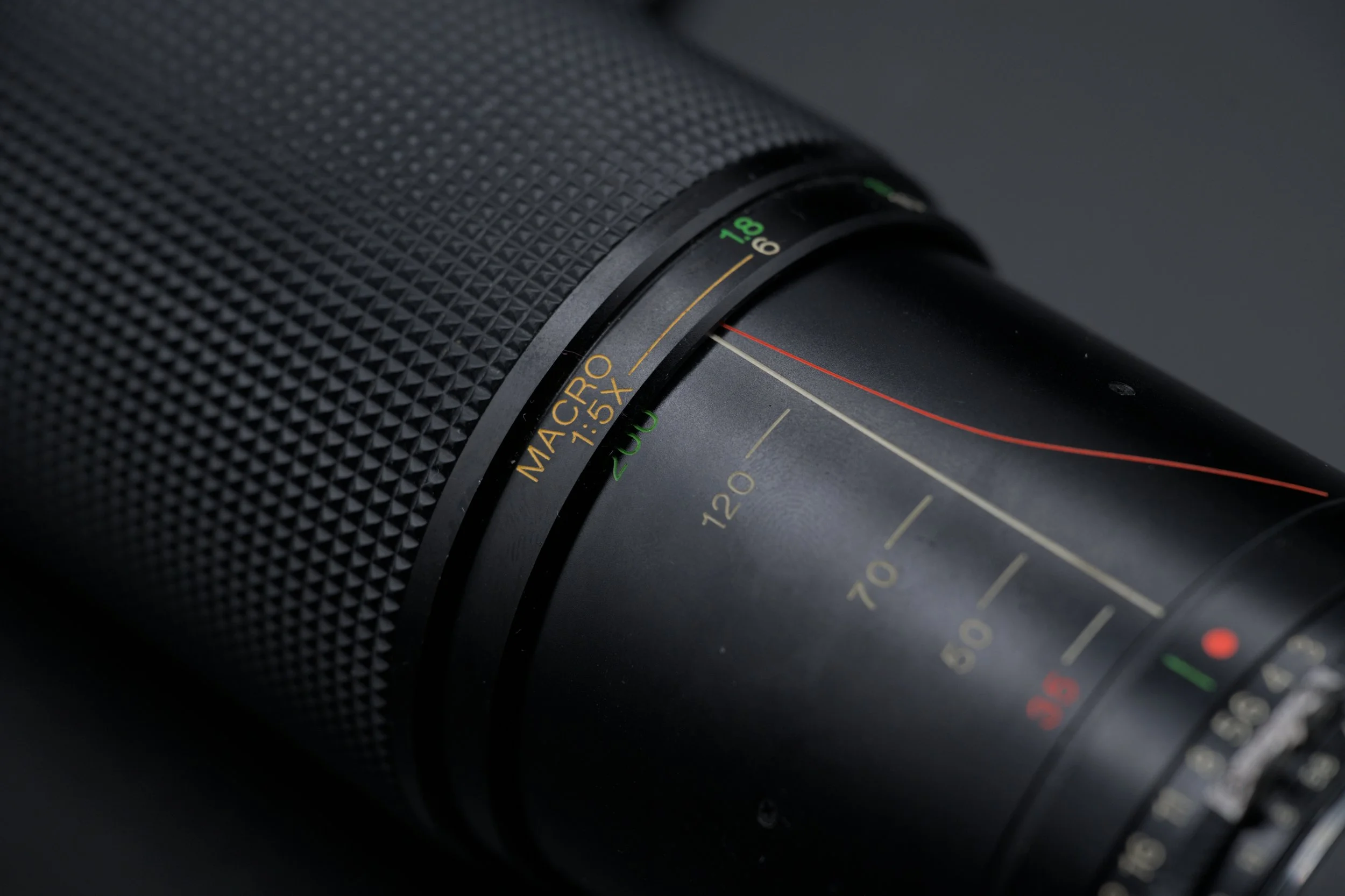
First, the lens. This is the Vivitar SMS 35-200mm f3.0-4.5 MC Macro. This is effectively a do-it-all lens (for its time) made of metal. It was built in Japan sometime between 1980 and 1987. It’s a Nikon F-Mount AI-S lens, with the signature 2 rows of Aperture markers and the “Rabbit ears”. For context, this lens would’ve come out when the Nikon F3 was in professional use and the F4 was about to release. It is a product that pre-dates digital cameras and uses a common push-pull mechanism for the zoom. Because this is a variable aperture lens, the barrel features some markings for the how the aperture changes from f3.0 to f4.0.
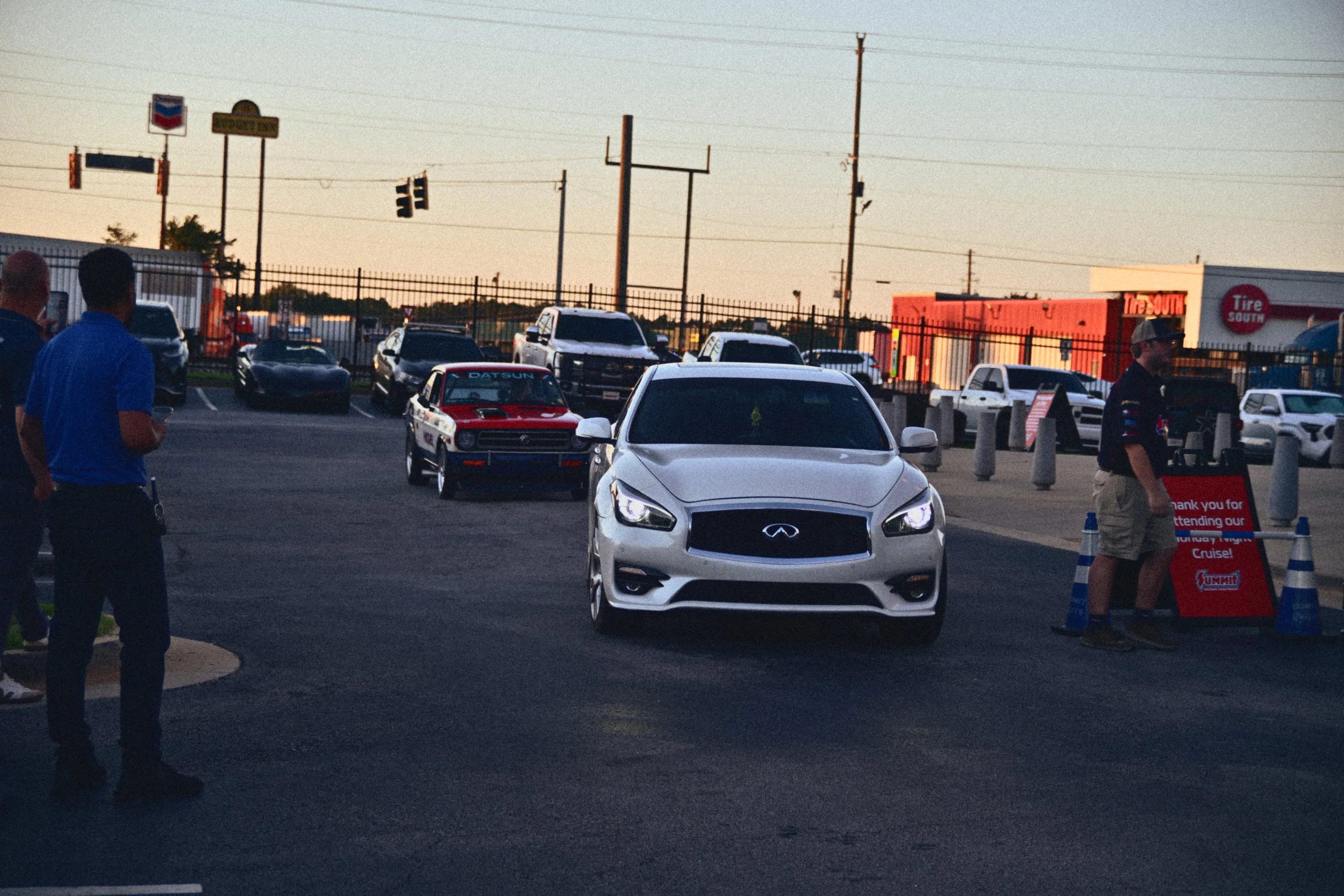
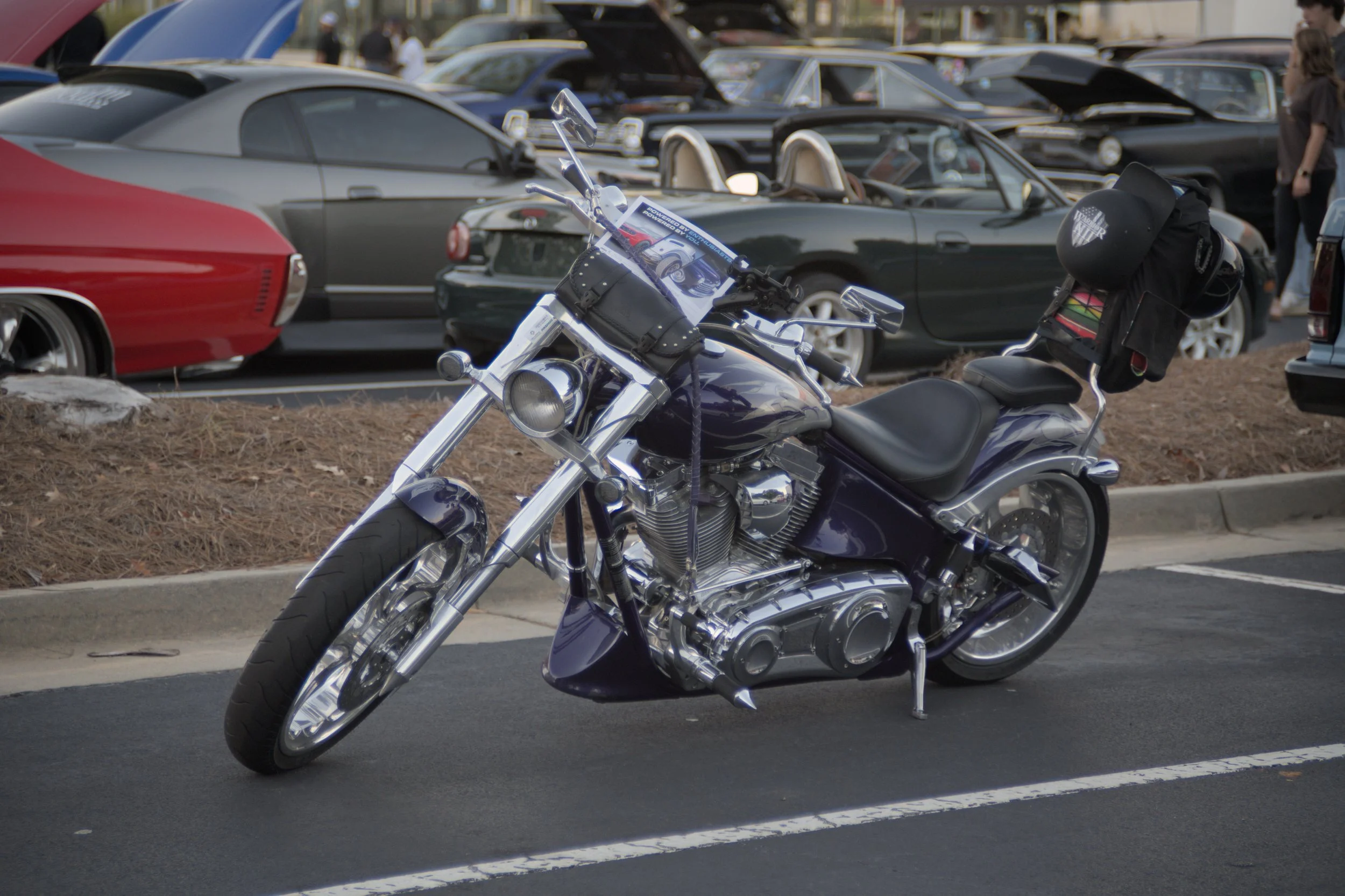
To run this lens through its paces, I took it out to the Summit Racing Cruise Night to snap some photos of cars. I adapted it to the Nikon Zf with the FTZ adapter and got to work. On top of that, I wanted to see if I could use this lens to get a film look, so I shot the images in JPG + RAW with Nikon’s Imaging Recipes to style the JPEG’s at the at the time of shooting. This lets me get edited and unedited versions of the shots to compare.
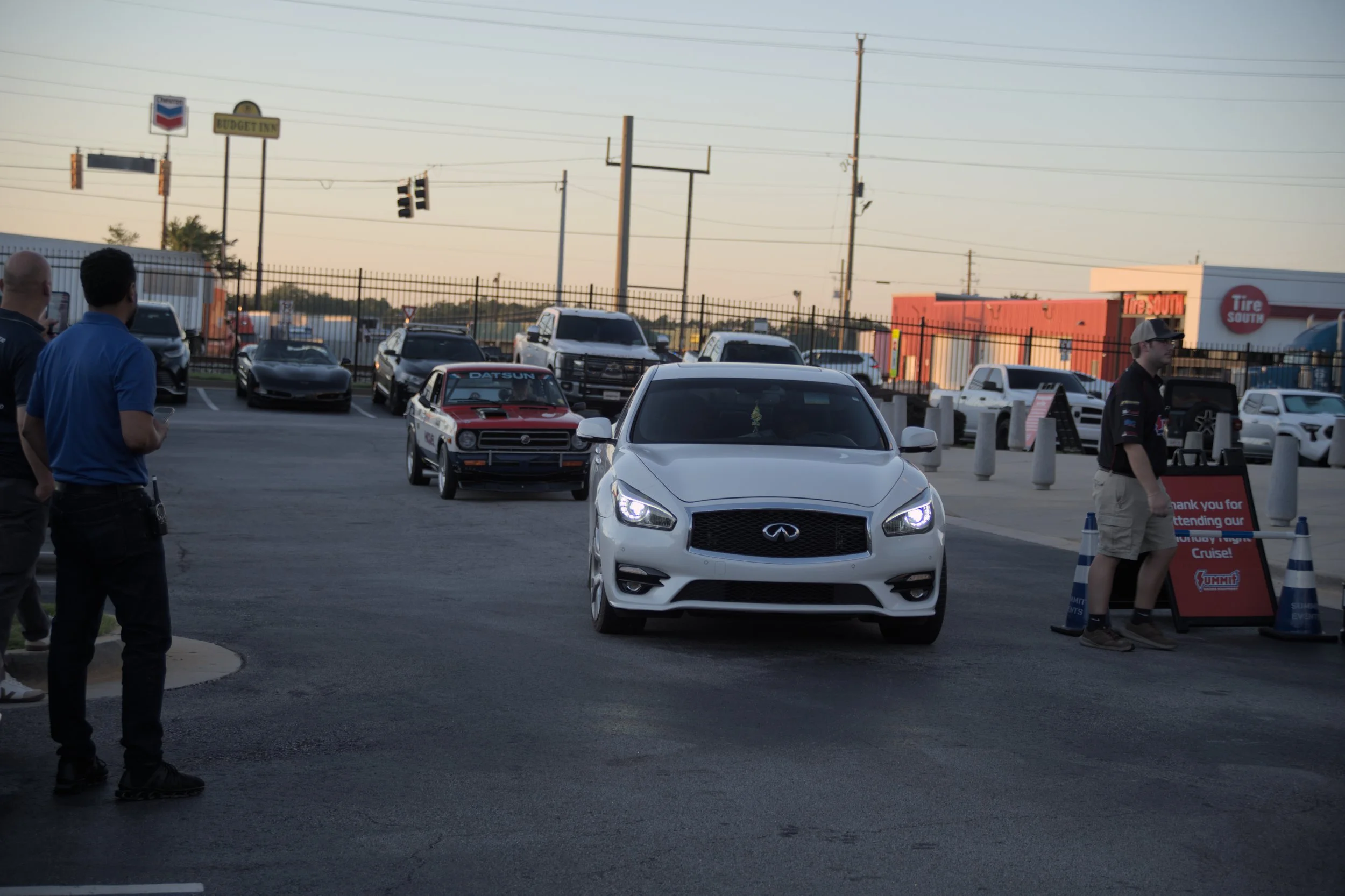
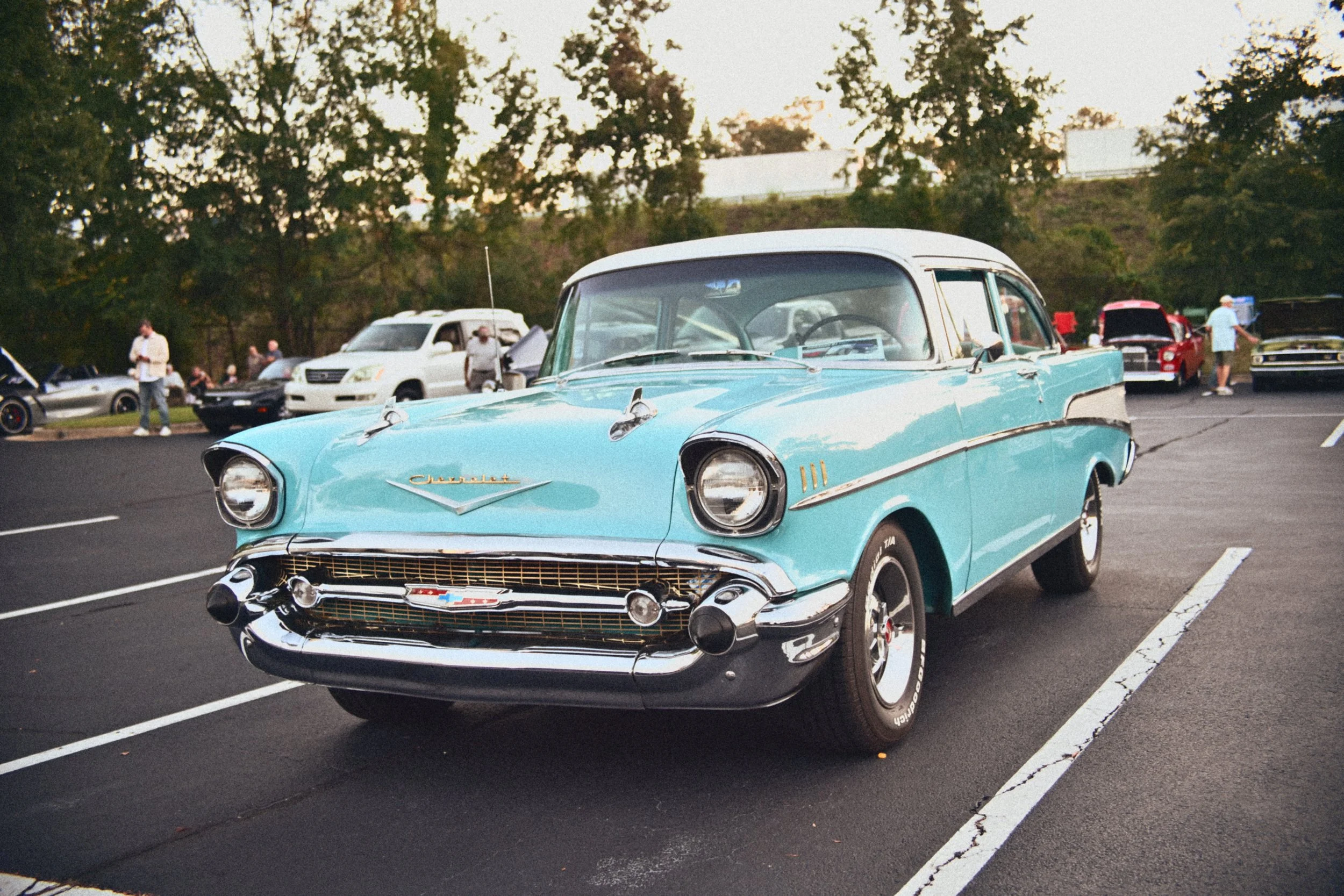
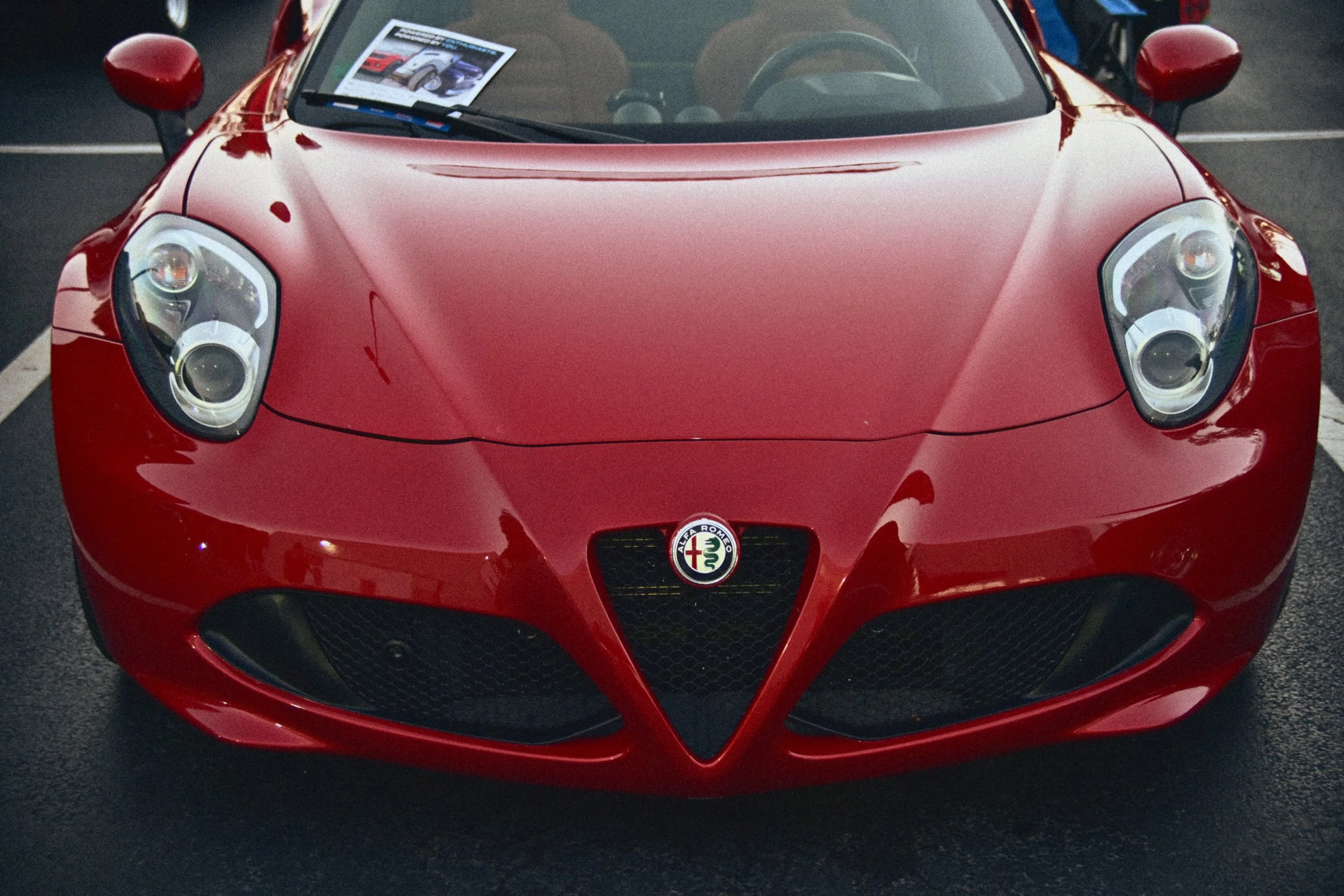
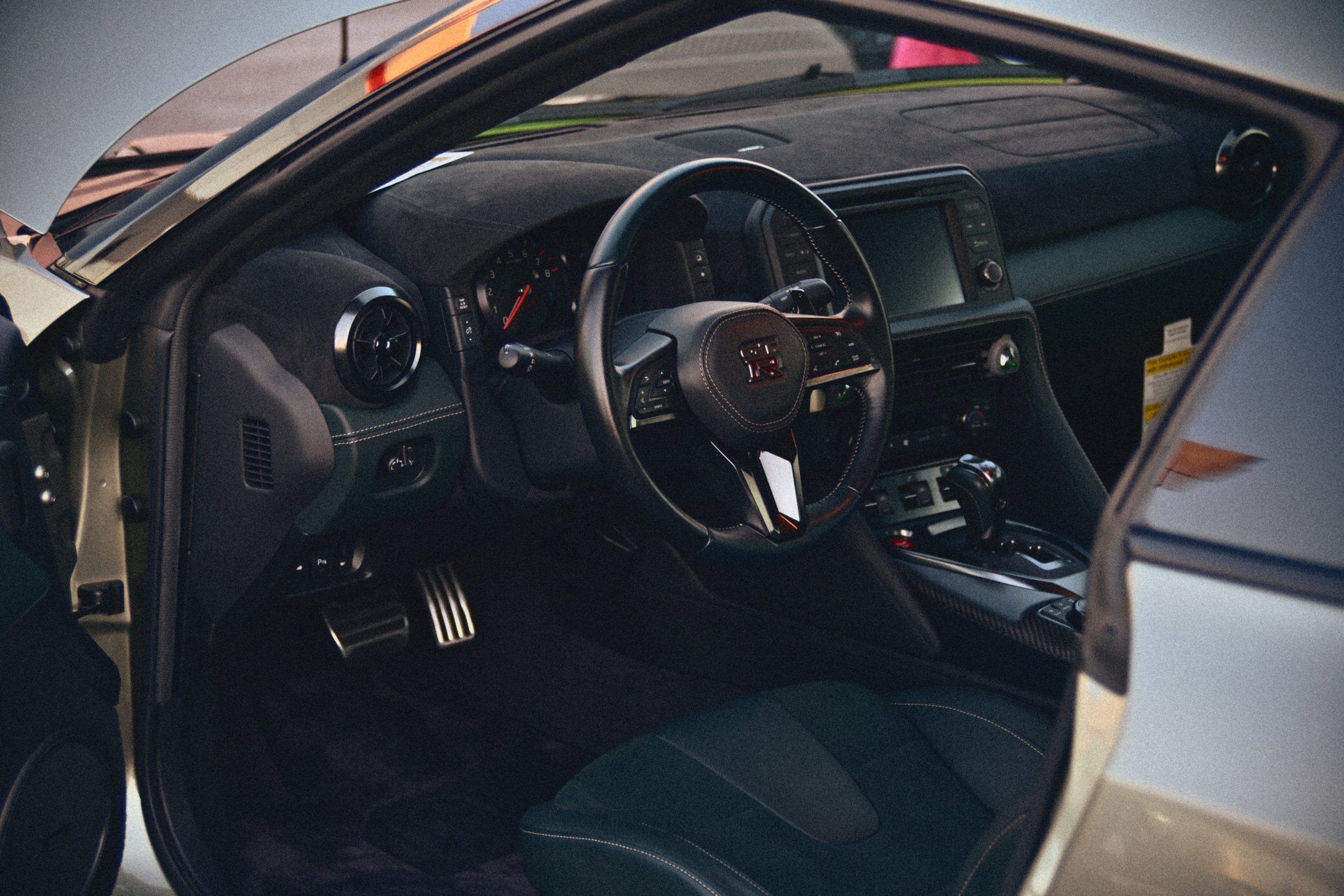
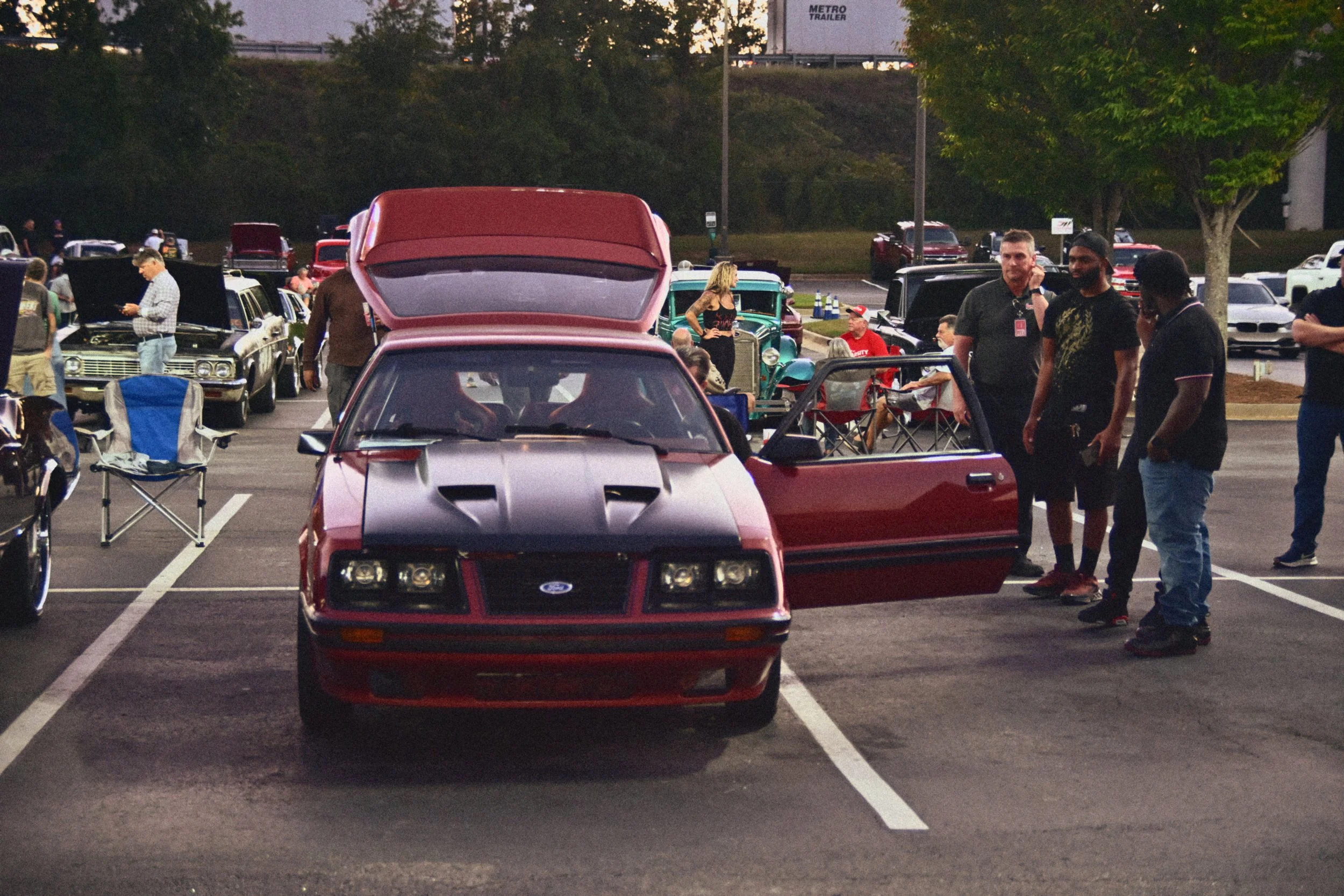
Overall, I was really impressed with how nice this lens is to use. The minimum focusing distance is a whopping 6ft, even at 35mm, so it was slightly challenging to get my usual compositions. But that’s where the “Macro” focusing at 200mm came in handy. I was able to go to 200mm and use the macro range to get close-up’s on details. Between that and the long minimum focusing distance, this lens spends a lot of time in the standard telephoto range of 50-75mm. For large subjects like cars, this is OK, but using this indoors or for products is quite a chore.
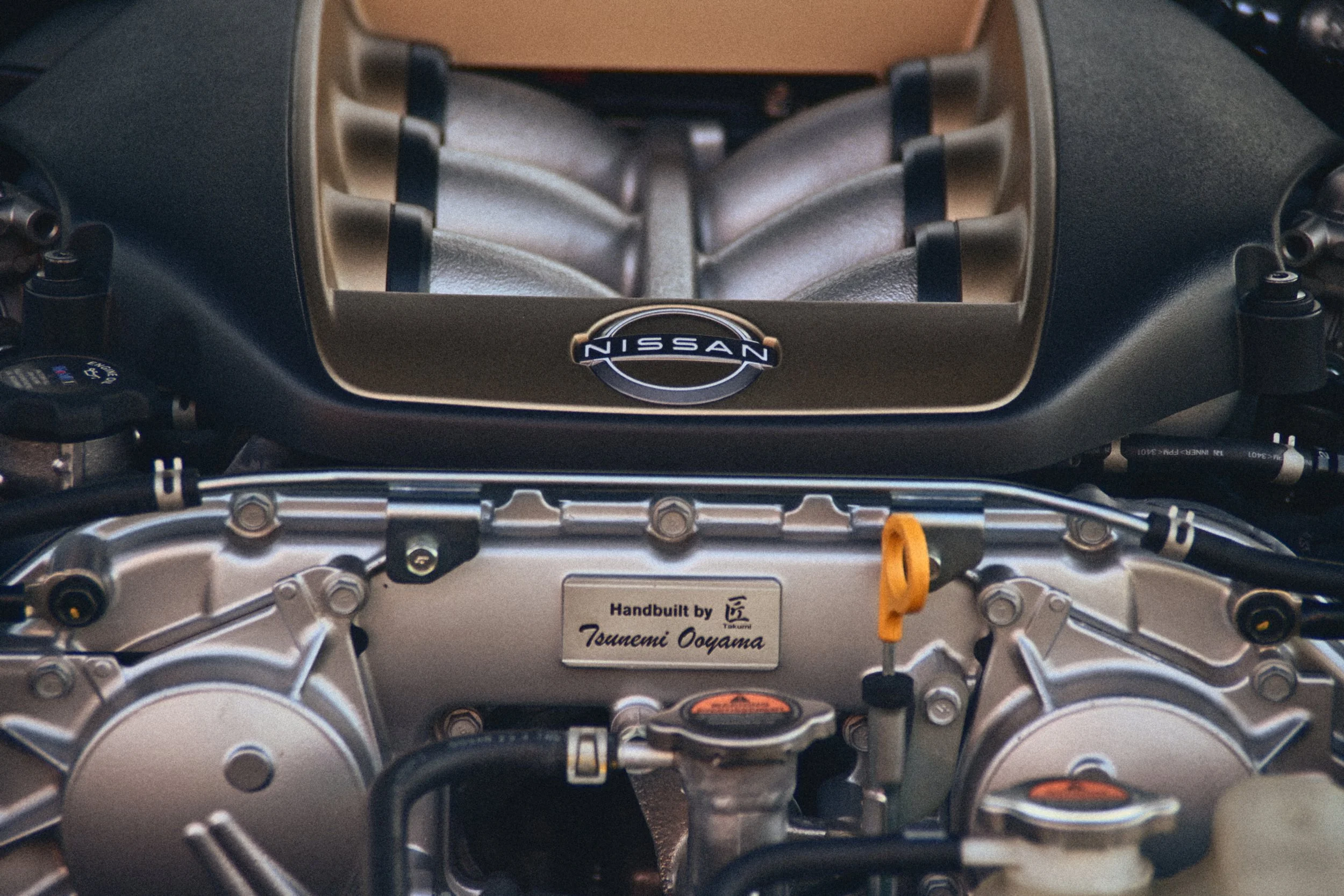
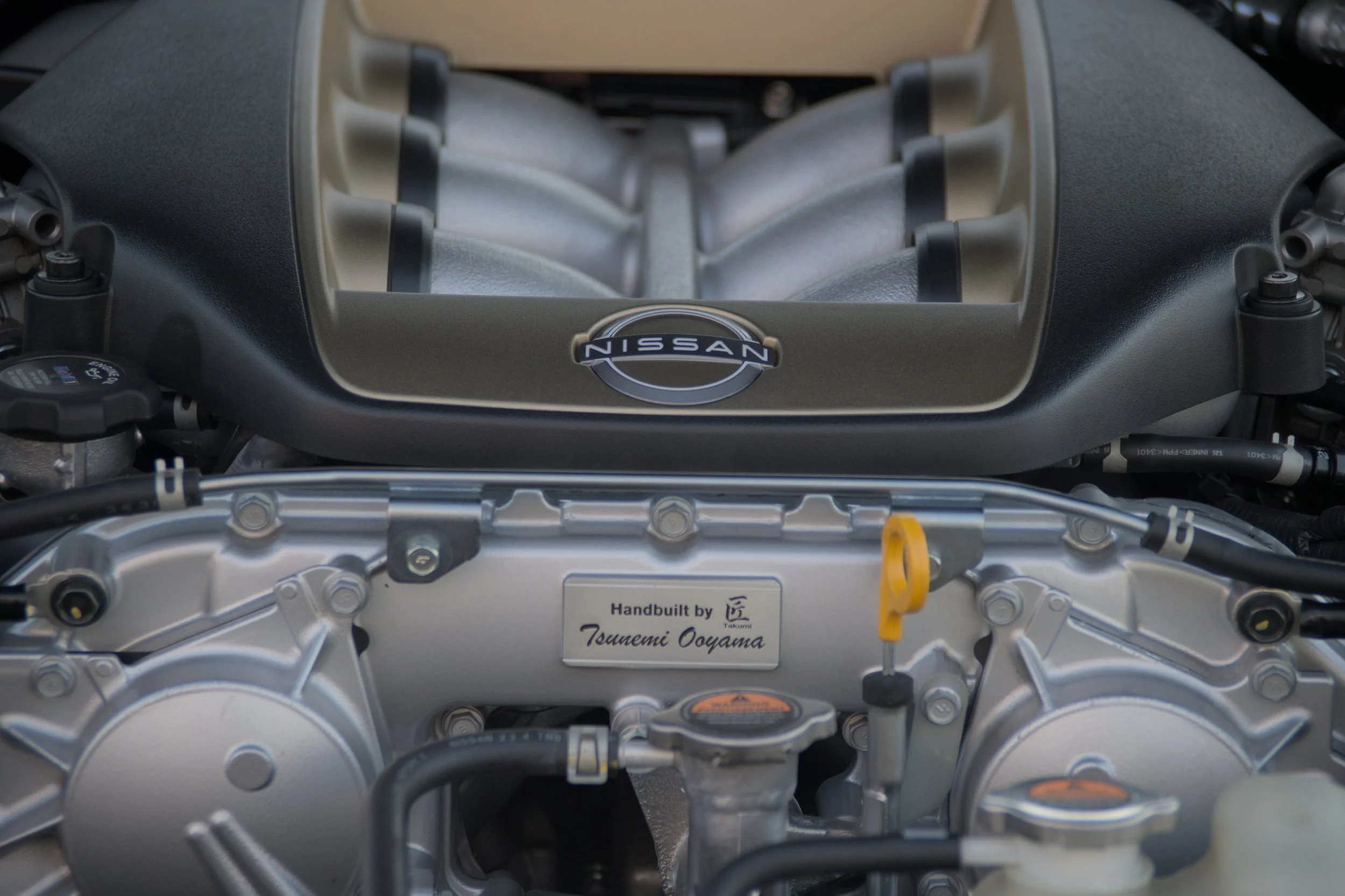
A big reason why this lens worked for me is the Nikon Zf. The camera features 8-stops of IBIS, so hand-holding at 200mm at 1/60th sec was workable. The camera also features focus peaking and EVF magnification, so nailing focus was fairly easy. Perhaps more so than even with the focusing prisms the lens was designed for. The result is that I didn’t feel like I had to think too hard about the lens or my settings. I could simply focus and take photos.
So what can I say about this experience? What advice do I have?
Well for one, if you want to try an old lens on a modern camera, go for it!. Additionally, these lenses are pretty affordable for what they are. This lens currently trades hands for around $25-50 and almost all of my old lenses like this are in the same price range. That’s really not bad when you consider that wide open, this offers a minimum aperture of f3 at the wide end and f4 at 200mm. That’s pretty bright for a lens under $100 these days.
Second, These lenses are not perfectly sharp. They are not as clinical and so they have a lot of character when placed in front of a modern sensor. There’s a bit of glare and chromatic aberration to them. Also, focusing by hand can be accurate, but rarely perfect. All these traits add up to a softer image that feels less harsh. This is especially true with the Imaging Recipe versions of these shots. The added film grain and interesting colors make it feel something akin to film (Though not quite an emulation in my view).
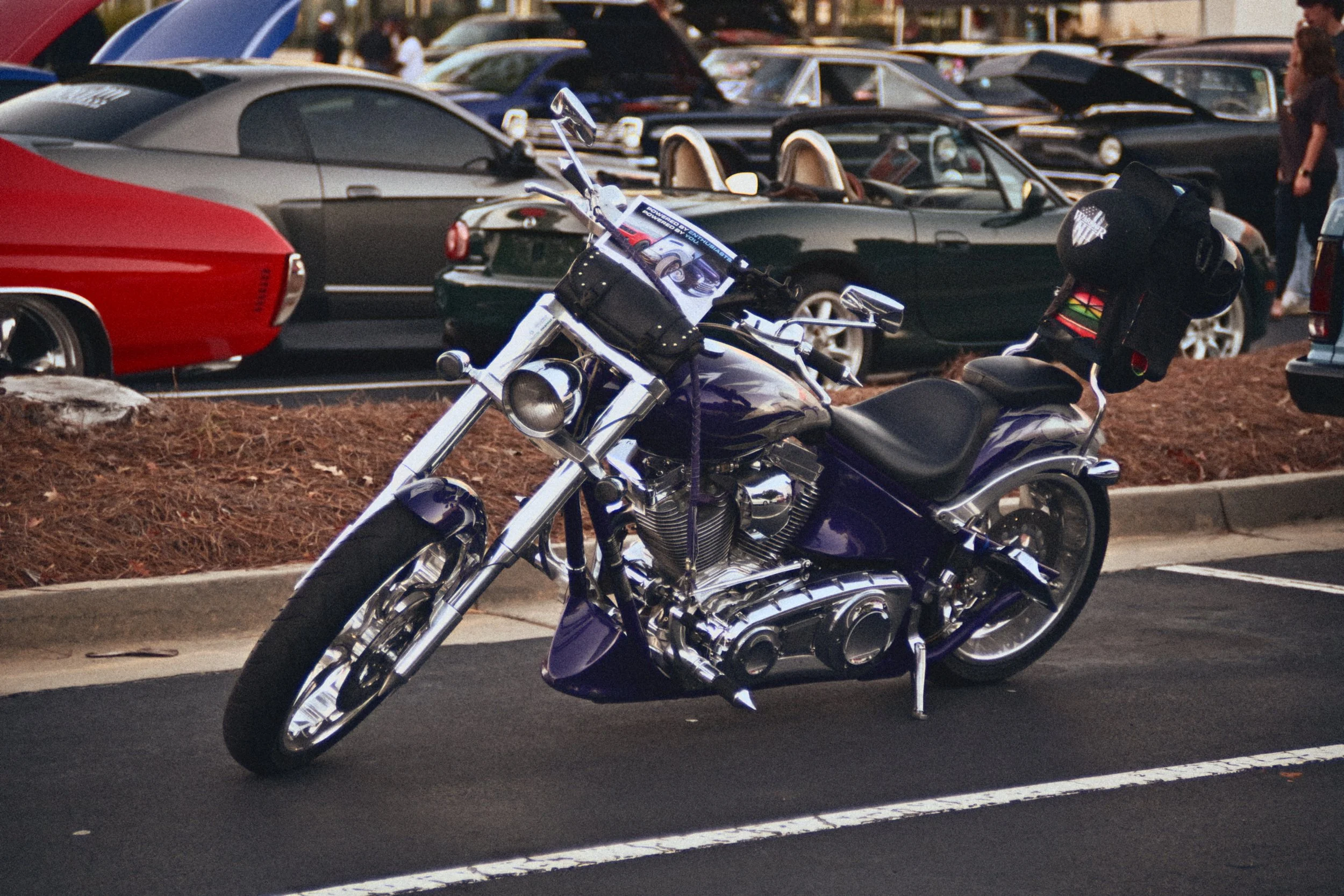
I think lenses like this make more and more sense as time goes on. When I bough it, ChatGPT and Ai Image Generation really didn’t exist. In those days, Sony was just starting to shock the world with its first mirrorless cameras and the Nikon Df was being heavily criticized. A lens like this back then wasn’t very valuable, especially since IBIS and other convenient features were rarely available outside of flagship cameras. Today, it seems like everyone is looking for a way to not look like Ai or even other photographers and filmmakers. I doubt I’d ever use this lens in paid work (I have much nicer old lenses for that) but I think it really means something to feel inspired today. This old Vivitar lens its manual focus. You zoom by sliding the thing for some reason. Its metal and has some weight to it. I think in a time when so much feels artificial, having a more physical, grounded experience is worth the $25.
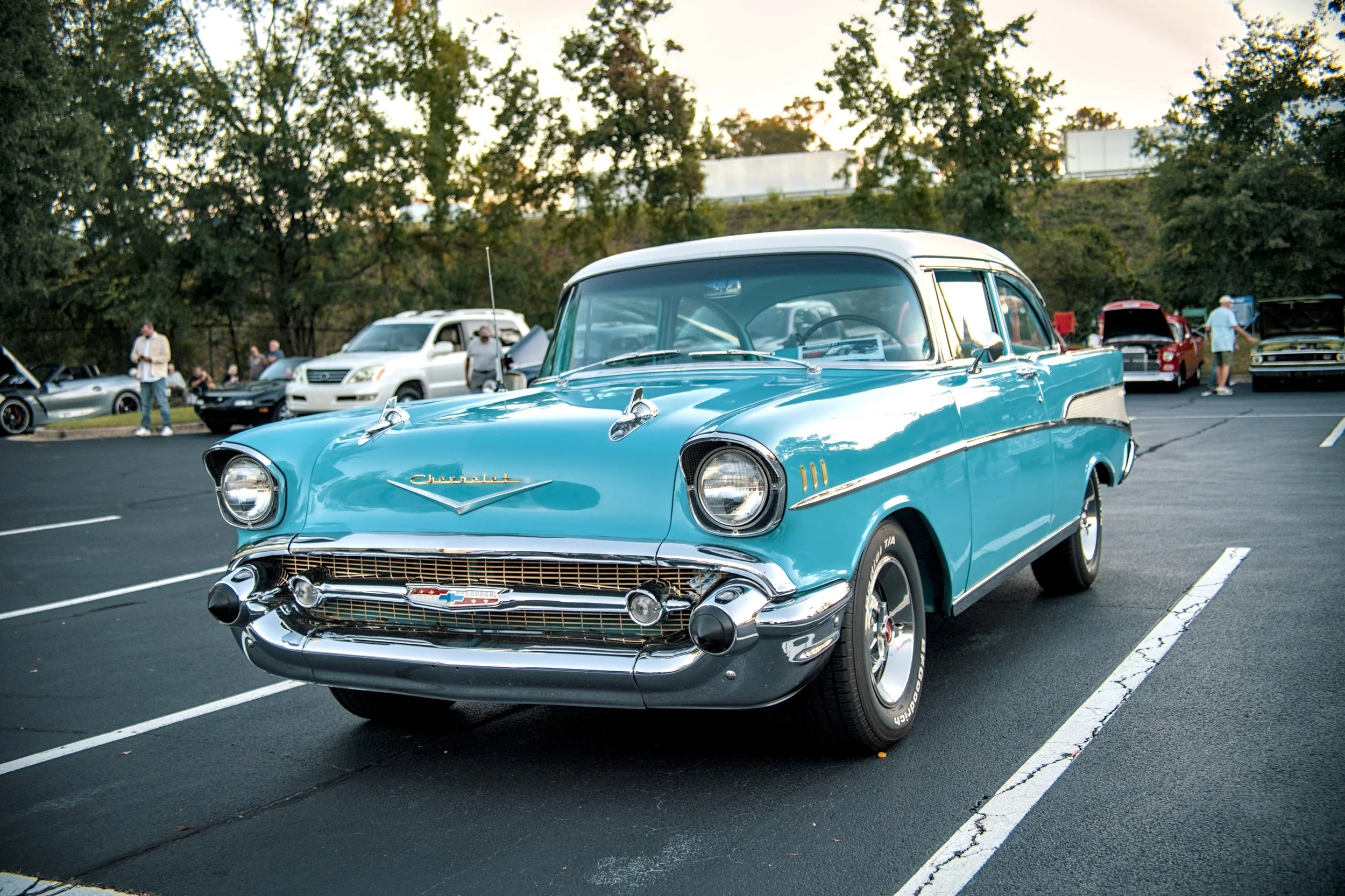
As a bonus, here’s what a shot on this lens looks like under a traditional editing editing process. Not bad!